Key Points to Review Before Booking Dubai Desert Safari Tours
What to Look for When Planning a Desert Safari in Dubai
Dubai desert safari tours are a popular way to experience the Arabian landscape, but not every offering is the same. Before you confirm a booking, it helps to check a few practical details so the experience matches what you expect. The points below cover the main areas worth reviewing, from the type of vehicle used to the timing of the trip.
Vehicle Condition and Safety Standards
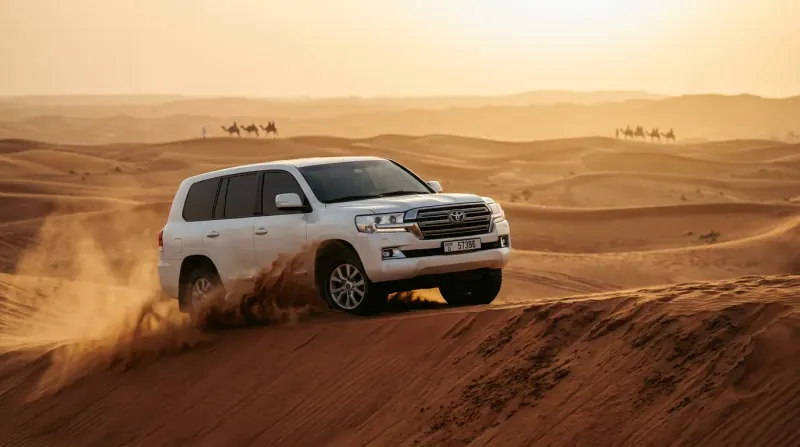
The vehicle that takes you into the dunes matters more than most people realise. Many operators use modified four-wheel drives for dune bashing, and the condition of those vehicles directly affects both comfort and safety. A well-maintained car with proper suspension, working seat belts, and a roll cage gives a much more controlled ride. When you look at a tour listing, check whether the operator mentions regular vehicle inspections or adherence to local transport authority guidelines. If the information is not clear on the website, a quick call to ask about their fleet age and maintenance schedule is a good idea.
Another point to consider is the driver's experience. Dune driving is a specialist skill, and a driver who knows the terrain can make the trip enjoyable rather than uncomfortable. Reputable companies often employ guides who have completed certified off-road driving courses. Asking about driver training is perfectly reasonable before you book.
Inclusions and Hidden Costs
Desert safari packages vary widely in what they include. A basic evening safari typically covers dune bashing, a short camel ride, sandboarding, and a barbecue dinner under the stars. But some listings add extras like quad biking, henna painting, or falconry displays at an additional cost. Always read the fine print under the inclusions section. Look for phrases such as "all activities included" or "selected activities at extra charge." This helps you avoid surprises when you arrive at the camp.
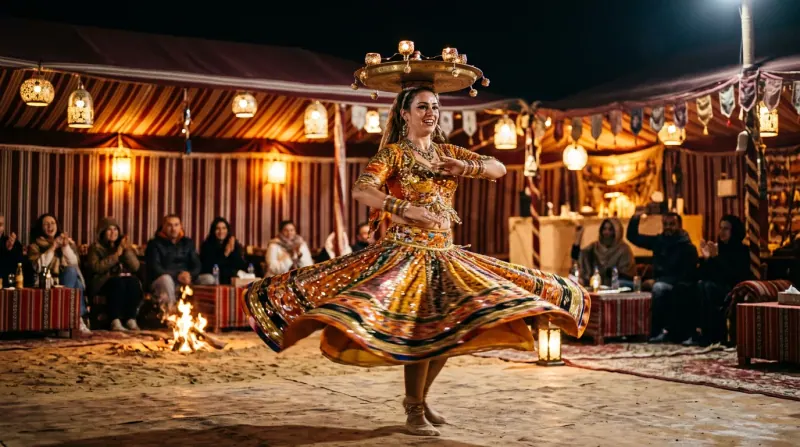
Also check whether dinner is served buffet-style or as a set menu, and whether vegetarian or special dietary options are available. If the tour includes a show, find out what type of entertainment is offered, traditional tanoura dance, fire shows, or live music. Knowing what is part of the base price lets you compare different offers fairly.
Duration and Timing of the Safari
A standard evening safari usually lasts around six hours, starting in the late afternoon and ending after dinner. Morning safaris are shorter, often around four hours, and include a lighter breakfast instead of dinner. Overnight safaris extend the experience with camping, stargazing, and a full evening meal. Consider your own schedule and energy levels. If you have children with you, a shorter afternoon trip might be more comfortable than a late-night return.
Timing also affects the weather. The cooler months from October to March are ideal for desert outings, while summer trips can be very hot during the day. Some operators run evening safaris year-round, but the heat in July and August means you will appreciate air-conditioned vehicles and shaded camp areas. Check the departure and return times carefully to plan your day around them.
Pickup and Drop-off Arrangements
Most desert safari tours include hotel pickup and drop-off within a defined area. Before booking, verify which zones are covered. Some operators charge a supplement for pickups from remote hotels or private residences. Confirm the pickup window, operators typically give a one-hour range, and you may need to be ready at the lobby ten minutes before the earliest time. If you are staying outside the usual tourist areas, ask whether the tour can accommodate your location or suggest a meeting point nearby.
For those who prefer more flexibility, some companies offer self-drive options where you meet the convoy at the desert entry point. This can save time if you have your own transport, but it also means you miss the guided commentary during the drive. Consider what matters most to you: convenience or a fully guided experience.
Group Size and Atmosphere
The size of the group affects the overall feel of the trip. A small group safari, often limited to six or eight people per vehicle, allows for a more personalised experience. Larger groups can mean more waiting time at each activity and a busier camp environment. If you prefer a quieter evening, look for tours that specify small-group sizes or private options. Some operators also offer luxury packages with private vehicles and dedicated guides, which suit couples or families who want privacy.
Reading recent reviews on travel forums or booking platforms gives you a sense of the group atmosphere. People often mention whether the tour felt rushed or relaxed, and whether the guide was attentive. Pay attention to comments about the camp facilities, clean restrooms, shaded seating, and well-maintained dining areas make a noticeable difference.
Environmental and Ethical Practices
The desert ecosystem is fragile, and responsible tourism practices help preserve it. Some operators follow guidelines that limit vehicle damage to the dunes, avoid disturbing wildlife, and ensure waste is properly disposed of. Look for tours that mention eco-friendly practices or partnerships with conservation groups. If you care about animal welfare, check how the camel rides and falconry displays are conducted. Responsible operators keep animals in good condition and limit riding times to short, gentle circuits.
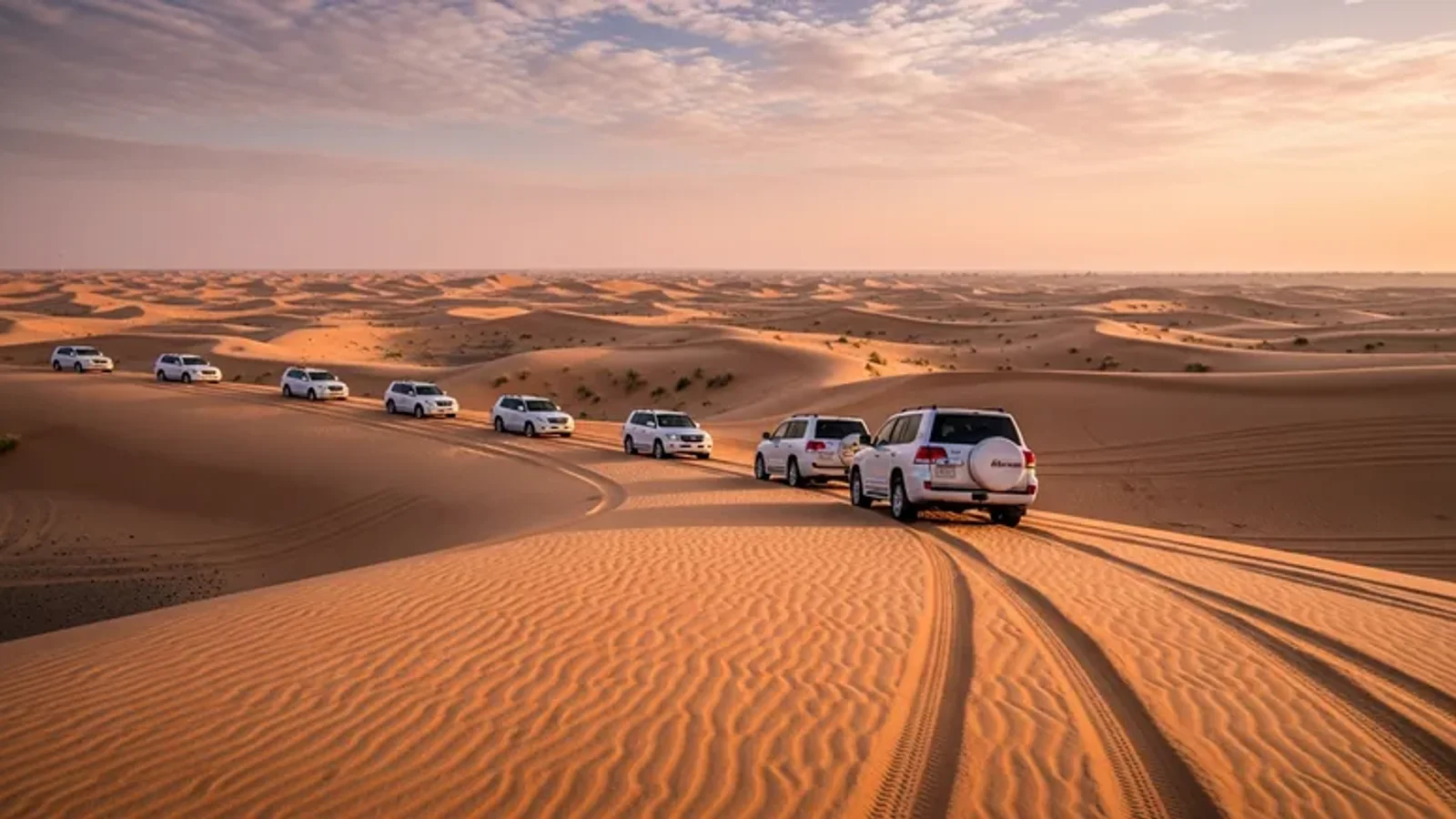
Classic Desert Safari is one example of a provider that structures its tours around these considerations, focusing on a balanced mix of adventure and comfort without compromising on quality. Their evening safari, for instance, includes dune bashing, a barbecue dinner, and cultural performances, all within a well-organised timetable.
It is worth asking the operator directly about their approach to sustainability. A company that is transparent about its practices usually has nothing to hide. If a tour listing makes no mention of environmental care, it may still be a good trip, but you will have to rely more on word-of-mouth recommendations from other travellers.
What to Bring and What to Wear
Comfortable clothing suited to the season is the main requirement. In cooler months, a light jacket or sweater after sunset is useful because the desert temperature drops quickly. In summer, light fabrics and a hat are essential. Closed-toe shoes are best for sandboarding and walking on the dunes. Sunglasses and sunscreen protect you during the afternoon sun. Most camps provide towels and basic toiletries if you want to freshen up before dinner, but it is safer to bring your own small pack.
Some tours include photography stops, so a camera or a phone with a good lens is handy. If you plan to take a lot of pictures, check whether the driver allows extra time at the dune crests. A few operators restrict photography during certain activities for safety reasons, so ask ahead if that matters to you.
Booking Channels and Cancellation Policies
Where you book the tour can influence the level of service you receive. Booking directly through the operator's website often gives you access to the best rates and the most accurate information about availability. Third-party platforms sometimes list tours that are no longer running or have outdated pricing. Compare the details on the operator's site with those on the booking portal before you pay.
Also review the cancellation and refund policy. A flexible policy that allows changes up to 24 hours before the trip is valuable, especially if your travel plans are not final. Some operators offer a full refund if you cancel within a certain window, while others only offer a credit. Knowing this upfront saves stress later.
Classic Desert Safari provides clear terms on its booking page, so you can see exactly what is included and what the cancellation conditions are before you confirm. This level of transparency makes the planning process smoother.
Final Check Before You Confirm
Take a moment to review the following before you finalise your booking: the vehicle type and safety features, the full list of inclusions and any extras, the pickup window and location, the group size, and the operator's environmental policies. A quick call or email to clarify any unclear points is always better than guessing. The goal is to arrive at the desert ready to enjoy the experience, not to wonder what you missed.
A well-chosen tour can turn a simple dune ride into a memorable evening. By checking these details ahead of time, you give yourself the best chance of a smooth and enjoyable trip.
Classic Desert Safari on social media
 Twitter
 Facebook
 Instagram
 YouTube
 Pinterest